Quick answer
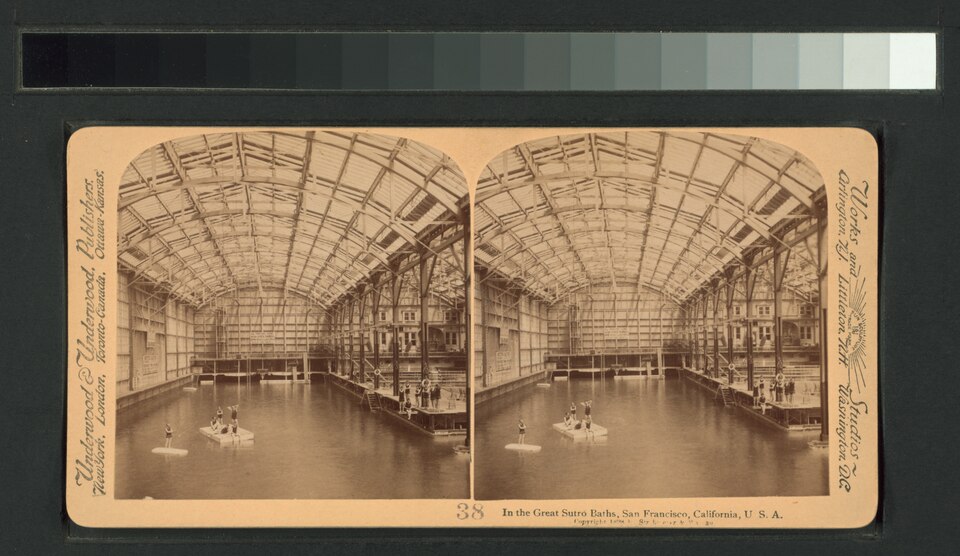
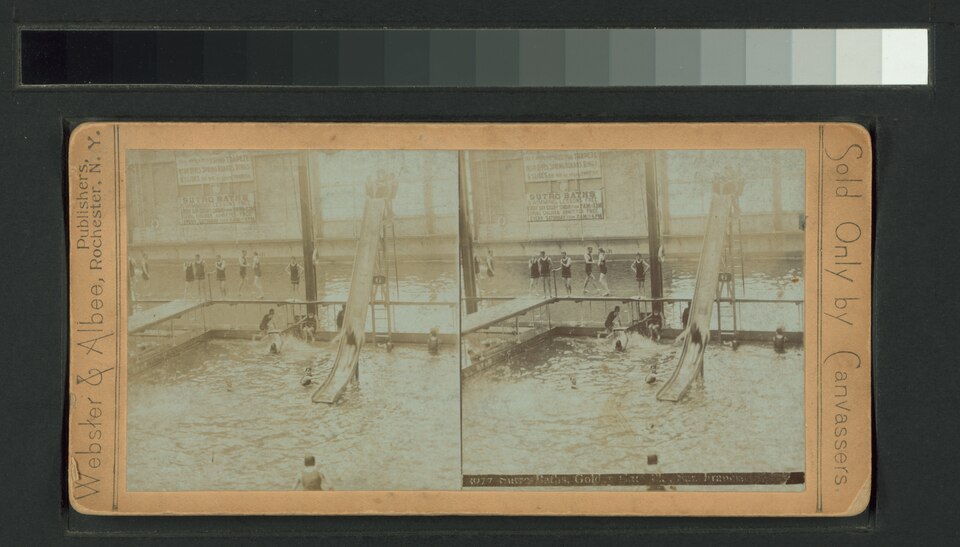
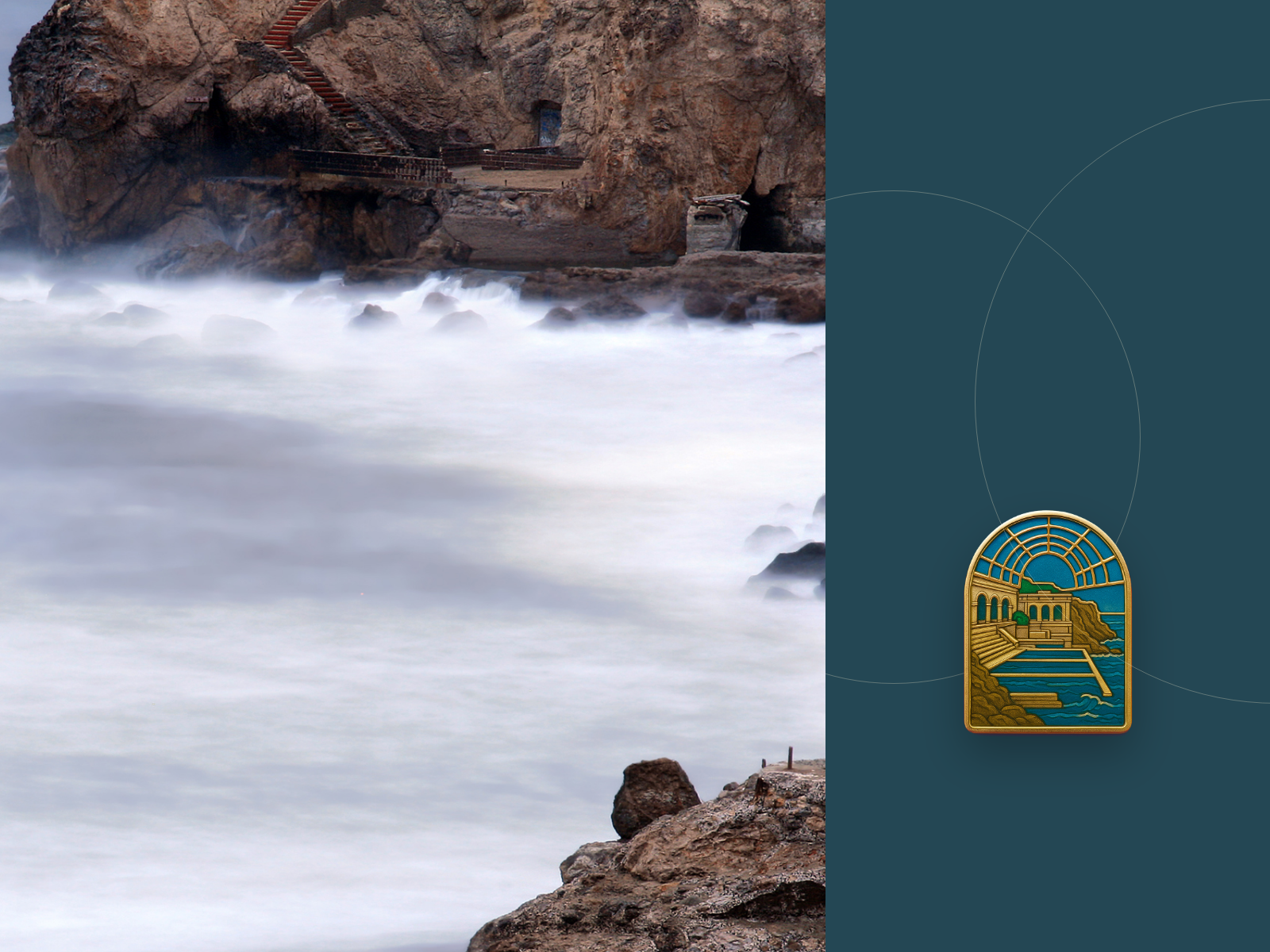
Sutro Baths opened in 1896 at the western edge of San Francisco as the largest indoor swimming establishment in the world: seven pools at different temperatures under a glass roof, with 20,000 bathing suits and 40,000 towels for rent and room for 10,000 people at once. Fire destroyed the closed building in June 1966. The concrete ruins are open and free.
Full transcript
The Man and the Money
Adolph Sutro arrived in San Francisco in 1850 as a twenty-year-old German-Jewish immigrant and left it, four decades later, as the city's twenty-fourth mayor. The fortune in between came from a tunnel. The Comstock Lode, a vast vein of silver and gold under Nevada's Virginia City, was flooding faster than its mines could pump it dry. Sutro proposed a drainage adit — a horizontal shaft four miles long, twenty feet wide, more than a hundred feet deeper than any mine — and the skeptics in the room said it could not be done. After years of argument and partial collapse and political warfare in Washington, the Sutro Tunnel opened in 1878 and ran for decades, venting the mines and draining the ore. He sold his interests and came home to the coast with more money than he had any obvious use for. So he bought land. He bought so much of the western slope of San Francisco, the contemporary press stopped counting acres and started counting neighborhoods. Look toward the Cliff House to see the headlands he owned.
The Principle
…
The Building It Was
…
The Crowd Inside
…
The Argument at the Time
…
After Sutro
…
The Six Months of 1966
…
What Was Almost Built Instead
…
The Ruin It Left
…
What You Can Still Touch
…
The Argument It Still Makes
…
.jpg)
.jpg)


.jpg)
.jpg)